
Where Style Meets Sports: How Two Worlds Are Redefining Modern Culture
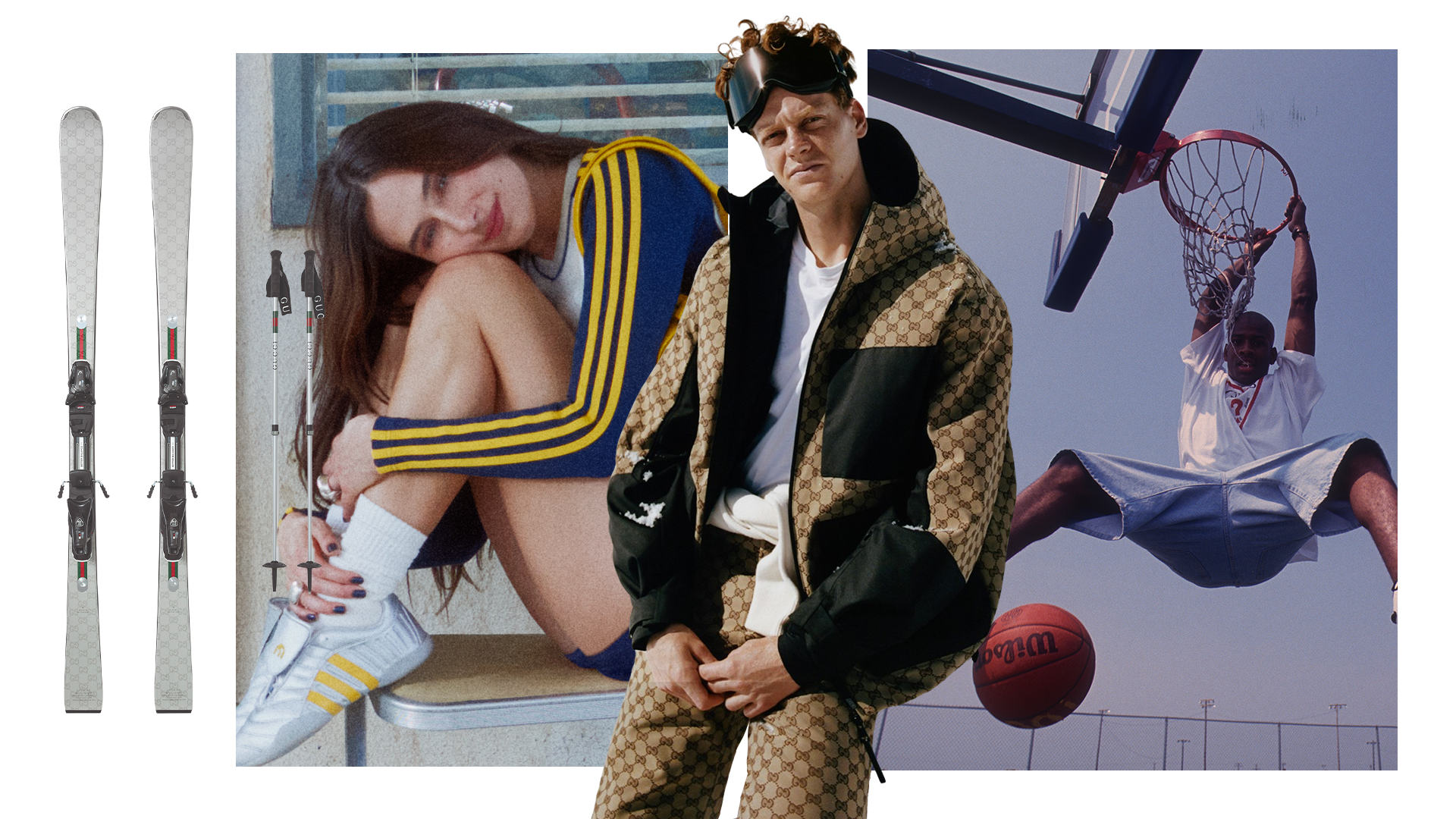
Retrieved from Who What Wear
As a kid, it is every little boy’s dream to be a professional athlete. We are so inspired by the likes of Michael Jordan, Lionel Messi, Usain Bolt, and countless others. That dream we temporarily chase unlocks endless imagination that carries into every goal and aspiration we have going forward.
The intersection of fashion and sports has evolved into one of the most influential cultural forces of the past decade. What was once a clear divide has become a dynamic blend of performance, style, and identity. Today, athletes are not just competitors; they are global trendsetters whose influence extends far beyond the arena. Likewise, fashion brands increasingly look to the authenticity, energy, and storytelling power of sports to remain culturally relevant. This merging of industries reflects broader cultural shifts, where personal expression and lifestyle branding play major roles in shaping consumer behavior.
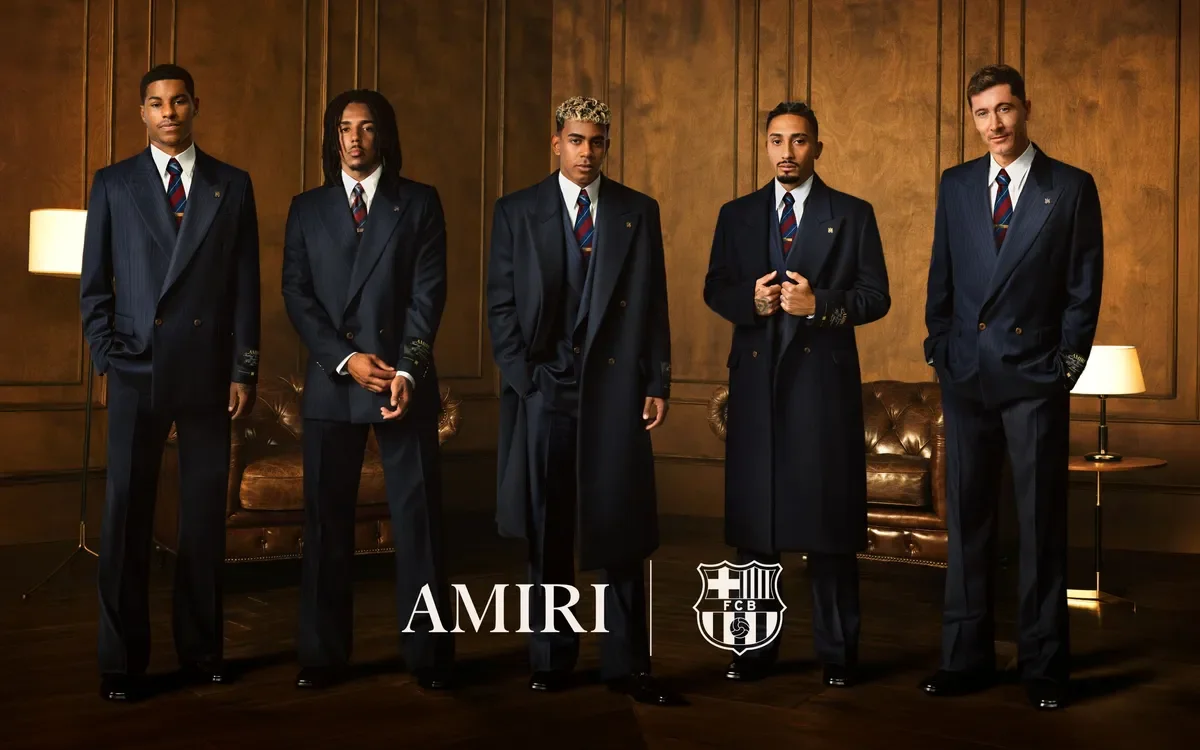
AMIRI, new formalwear partner of FC Barcelona through 2030
Sportswear’s rise into mainstream fashion stems from the growing demand for comfort and versatility. Performance gear once designed for training has transformed into everyday attire. Innovative strives in technical fabrics, sleek silhouettes, and refined designs has largely allowed for everyday wear. Athleisure has become the bridge: leggings, hoodies, jerseys, and sneakers that function both as fashion statements and functional apparel. This movement reveals how consumers crave clothing that suits flexible, on-the-go lifestyles, blurring the boundaries between gym, streetwear, and workplace attire. As a result, sports brands have become major players in the fashion marketplace, competing directly with luxury houses.
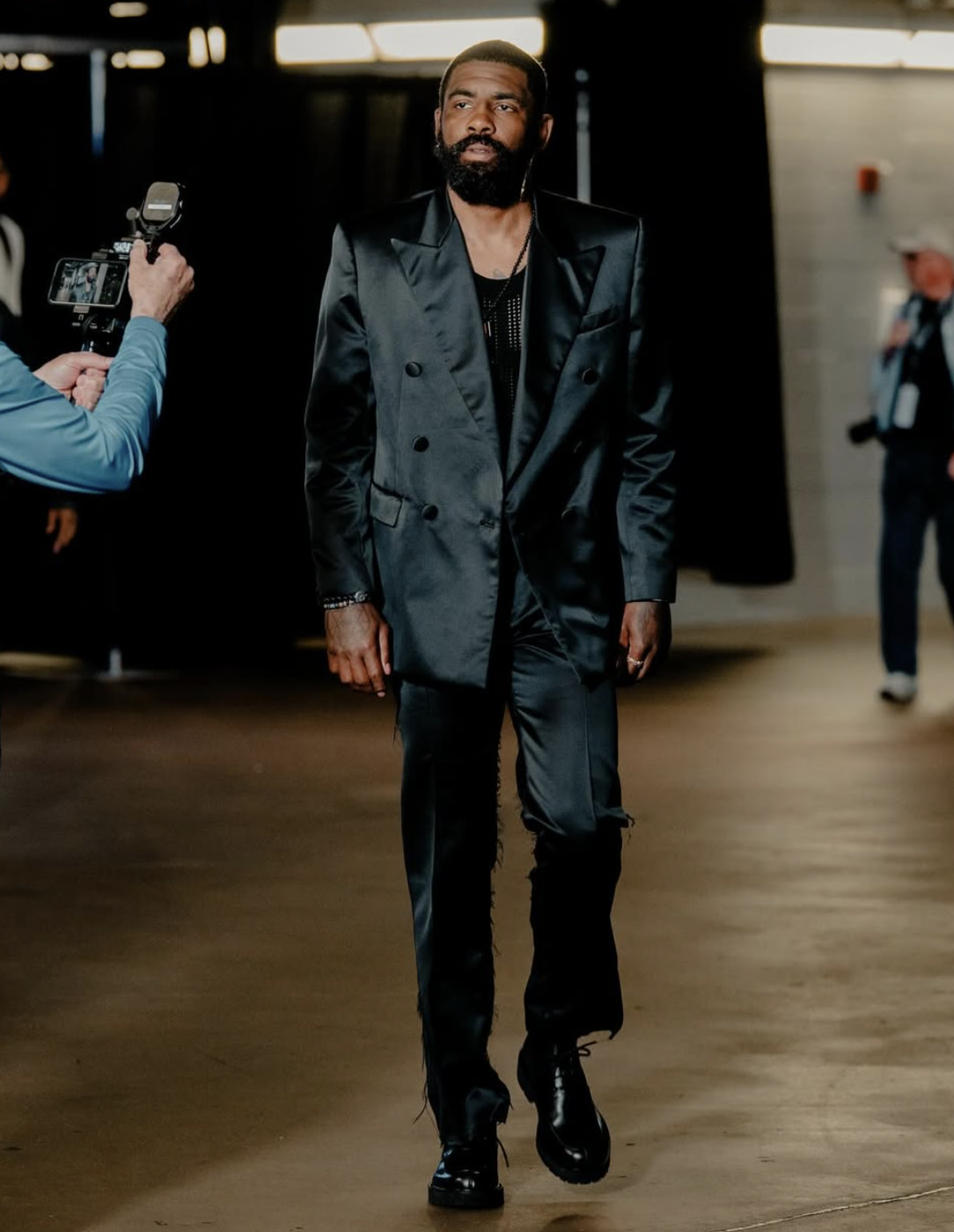
@leaguefits via Instagram
Athletes themselves sit at the center of this cultural shift. They are now recognized as fashion icons, often partnering with luxury labels, streetwear brands, or even launching their own clothing lines. Their unique personal styles shape global fashion trends in real time through tunnel fits, pre-game outfits, or off-court looks. For example, the NBA tunnel has become a modern-day runway, amplified through social media and sports journalism. This visibility transforms athletes into brand ambassadors who bring authenticity and aspirational appeal, which resonates deeply with younger consumers who value individuality and relatability.
Ultimately, the fashion–sports intersection is important because it mirrors modern life. It is fast-paced, interconnected, expressive, and heavily influenced by media. It shapes consumer trends, drives innovation, fuels global marketing strategies, and blurs the lines between performance and lifestyle. As sports and fashion continue to merge, this relationship will only grow more impactful, redefining how people dress, move, and express themselves in today’s world.