
More Than a Game: How Coaching Youth Soccer Shapes Childhood Development
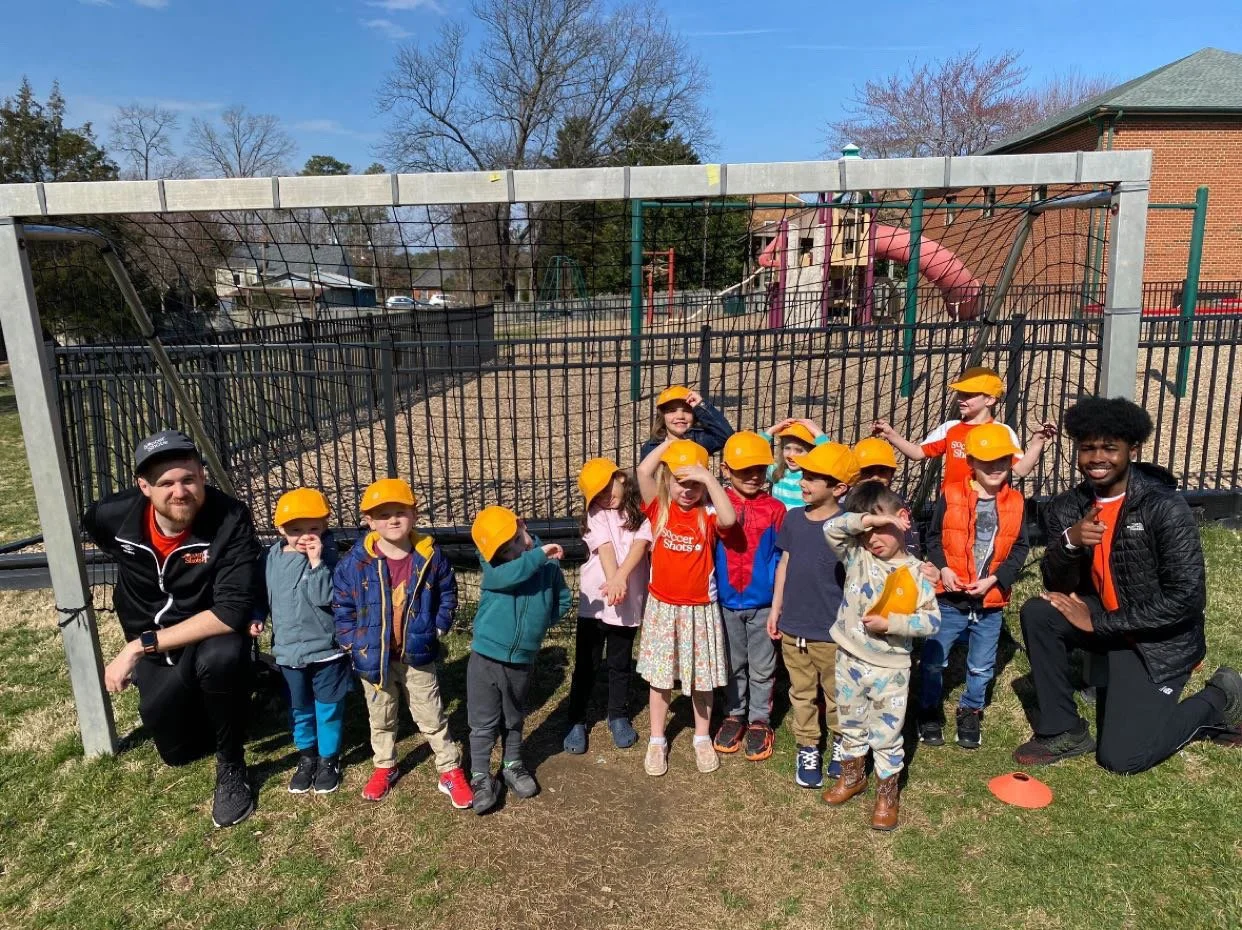
In my freshman year of college I took on the task of coaching youth soccer in my free time. Coaching has shown me that the field is much more than a place where kids learn to kick a ball in a net, it’s a space where real childhood development unfolds. Every practice is a small glimpse into how young players grow emotionally, socially, and mentally. Soccer becomes a tool that teaches them how to face challenges, communicate with their peers, and discover their own strengths. As a coach, I’m guiding kids through experiences that shape who they’re becoming.
One of the most rewarding parts of my job is watching kids build confidence. Many children arrive unsure of themselves, hesitant to take risks or afraid to make mistakes. Through repetition, encouragement, and moments of small success, they begin to trust their abilities. That shift is powerful. It shows up not just in how they play, but in how they carry themselves. A child who once avoided the participating in the whole session now shows up excited to play the whole time. Confidence on the field often translates to confidence in school, friendships, and everyday life.
Teamwork is another essential part of their development. Soccer teaches kids that their actions affect more than just themselves. When one player communicates well, the whole team improves. When someone chooses to pass instead of forcing a shot, they learn the value of collective success. These lessons help kids understand empathy, responsibility, and cooperation. They will carry these skills far beyond sports. Watching them learn to rely on each other and celebrate each other's progress is a reminder of why youth sports matter so much.
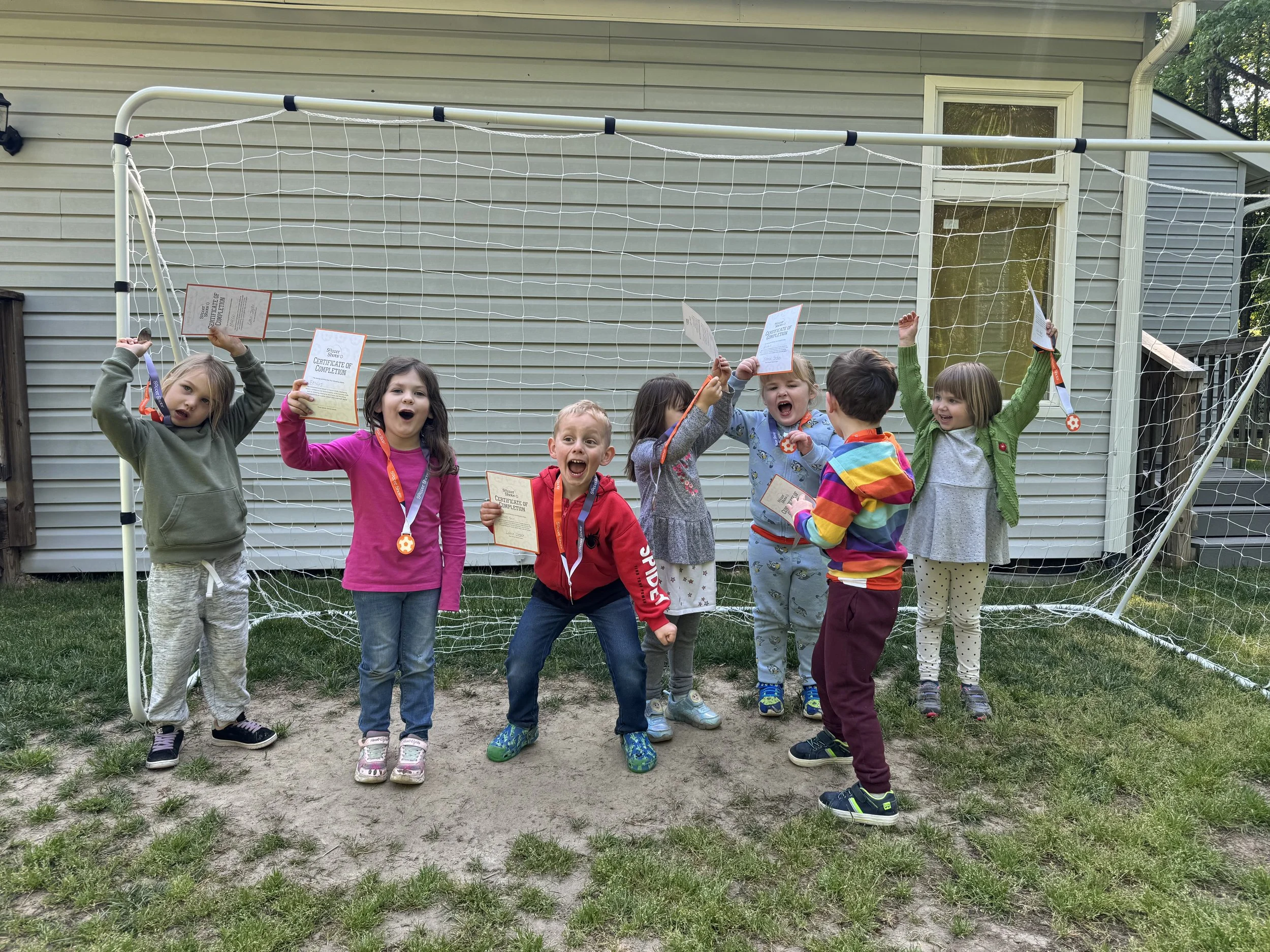
What often goes unseen is how soccer supports emotional development. For many kids, the field becomes a safe place to express themselves. Soccer is a place for them to release energy and feel part of something meaningful. You can watch their personalities emerge like the quiet kid finding their voice, the shy player stepping into leadership, or the energetic one learning patience. These moments show that sports can nurture emotional intelligence just as much as physical ability.
At the end of the day, being a youth soccer coach means shaping experiences that influence a child’s character. It’s a privilege to guide that process. While teaching them so much, I’ve learned a ton about myself. Helping the kids develop their skills helps me as well. Kids are very unpredictable and addressing every interaction with the intention of growth for both parties means the world to me. Initially, I was intimidated by the little ones, but now I strive to be an important part of their development.